RFID and QR code clothing labels both connect garments with digital information, but they solve different problems. RFID is stronger for fast inventory operations because multiple items can be read without direct visual contact. QR codes are easier for customers because almost any smartphone can scan them. The right system depends on the users, purpose, tracking level, and available equipment.
How RFID Clothing Labels Work
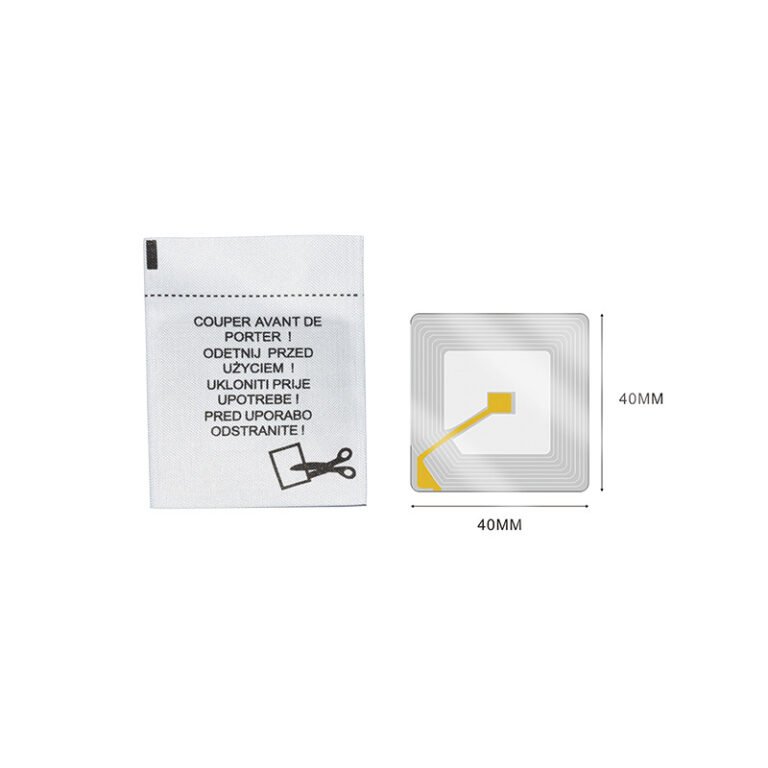
An RFID clothing label contains a small chip and antenna. A compatible reader sends a radio signal to the tag and receives its encoded identifier. Unlike a barcode or QR code, the tag does not need to face the reader directly. This allows warehouse or retail teams to scan several tagged garments quickly, including items inside cartons or on racks, although actual performance depends on the reader, tag design, distance, garment materials, and surrounding environment.
RFID garment tags are especially useful when a brand needs item-level inventory visibility. A unique identifier can connect each piece to product records, receiving events, stock counts, order fulfillment, or returns. This may improve inventory accuracy and reduce time spent on manual counting.
However, RFID requires more than labels. Brands need compatible readers, encoding rules, software integration, testing, and staff procedures. The tag must also be positioned correctly because metal trims, liquids, dense packing, and folds can affect read performance. A pilot is therefore essential before wider implementation.
How QR Code Clothing Labels Work
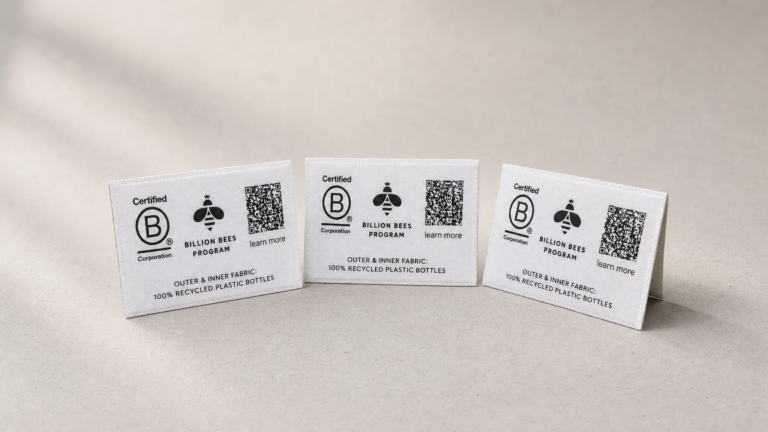
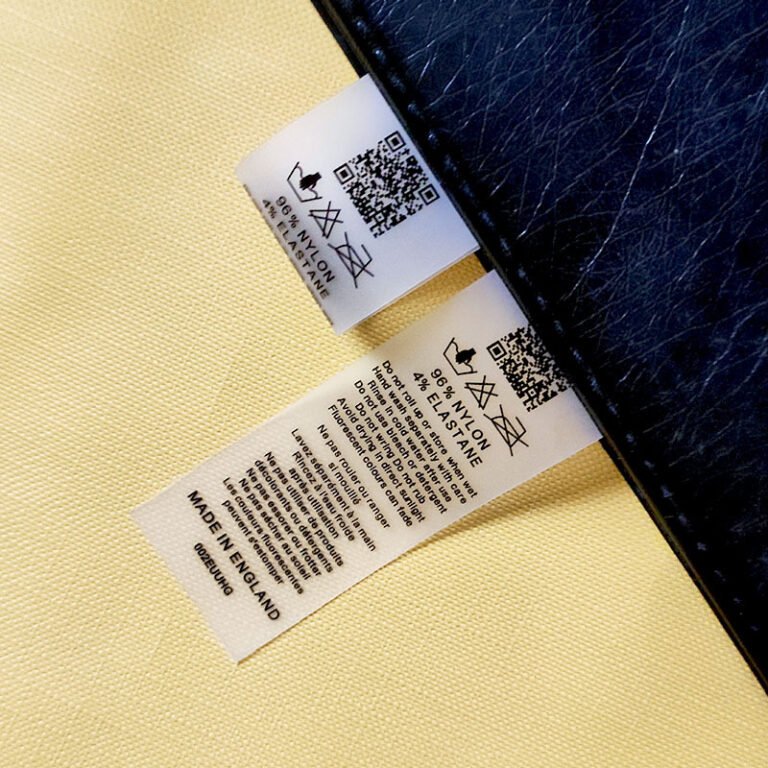
A QR code clothing label uses a printed two-dimensional code that a smartphone or scanner can read. It commonly links to a product page, care guide, authenticity check, repair instructions, recycling information, or a Digital Product Passport record. Because customers already understand QR codes, brands can provide digital information without asking users to install specialist equipment.
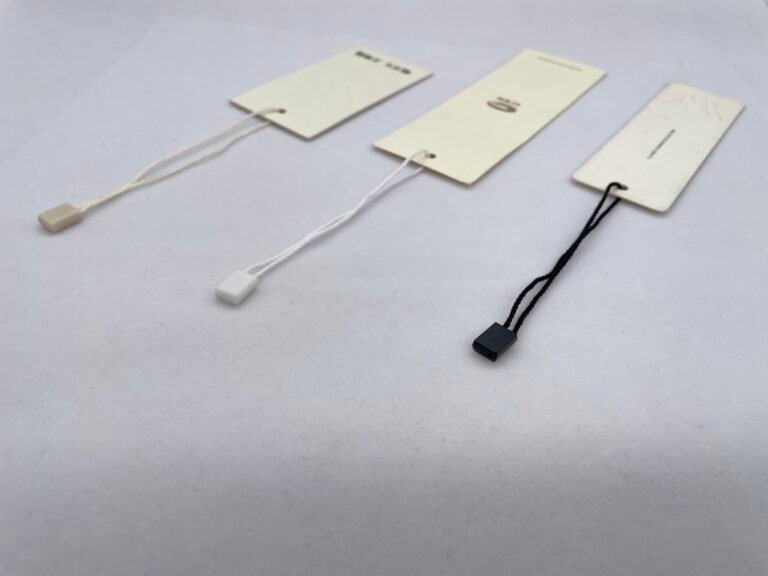
QR code care labels are generally straightforward to produce and can be added to printed labels, heat-transfer labels, patches, hang tags, or packaging. A redirectable link lets the brand update the destination while keeping the physical code unchanged. The page should be mobile-friendly, quick to load, and available in the languages required by the target market.
The main limitation is that QR codes normally require line-of-sight and deliberate scanning. A warehouse employee cannot efficiently count hundreds of hidden garments by pointing a phone at each label. QR technology is therefore better suited to information access and customer interaction than automated bulk inventory counting.
RFID vs QR Codes: The Practical Differences
The first question is who will use the label. If warehouse teams and retailers need rapid stock visibility, RFID is usually the stronger option. If consumers, repair partners, or recyclers need easy access to product information, QR codes are usually more convenient. Both technologies can connect to item-level records, but the operating model and cost are different.
| Decision factor | RFID clothing labels | QR code clothing labels |
| Reading method | Radio signal; no direct visual contact required | Camera or scanner; code must be visible |
| Typical strength | Inventory, receiving, fulfillment, item tracking | Care, traceability, customer information, DPP access |
| Equipment | RFID readers and supporting software | Smartphone or standard imaging scanner |
| Bulk reading | Can read multiple suitable tags quickly | Usually scanned one at a time |
| Customer access | Limited without NFC or RFID-compatible tools | Easy with most smartphones |
| Implementation | Higher technical and integration requirements | Lower entry barrier for a pilot |
Evaluate the complete system cost, including readers, integration, data management, testing, and support—not only the label price.
Which System Fits Your Apparel Brand?
Choose RFID when the business problem begins with inventory. Examples include frequent stock counts, omnichannel fulfillment, carton verification, store replenishment, or retailer RFID requirements. Confirm the required frequency, identifier format, encoding rules, tag placement, and performance standard before production. If a retailer has issued a compliance specification, the label and data must follow that exact program.
Choose QR code clothing labels when the main goal is accessible product information. They suit care guidance, material details, certification references, repair support, resale information, authenticity checks, and early Digital Product Passport pilots. Brands can begin with a limited product range and learn how customers use the digital content.
Use both when operational tracking and public information are equally important. An RFID tag can support warehouse processes, while a visible QR code gives customers access to selected information. The two identifiers should point to consistent product records, with clear access controls for public and private data. Combining technologies only makes sense when each one has a defined purpose.
A Simple Testing Checklist Before You Scale
Start by writing down the business objective and the users involved. Decide whether the identifier represents a style, batch, or individual garment. Then prepare accurate product data, select the label construction, and create samples. For RFID, test read range, bulk reading, encoding, placement, and performance near trims or packed garments. For QR codes, test size, contrast, quiet space, scanning angles, different phones, page speed, and wash durability.
Run the pilot through real working conditions rather than a showroom demonstration. Include receiving, storage, packing, sale, washing, returns, and customer scanning where relevant. Record failed reads and investigate their cause. Confirm who owns the data, how corrections are made, and what happens if a web address or software platform changes.
WandeTextile supplies RFID apparel labels, QR code care labels, woven labels, hang tags, and related garment trims for sampling and production. Explore WandeTextile’s labels and trims or request a pilot set to compare scan performance, durability, and construction on your actual garments.
References: RFID Journal: Project Zipper Finds Order Accuracy Jumps to Nearly 100 Percent with RFID; Auburn RFID Lab: Retail RFID Webinar Resources.