Sustainable garment trims are the small components that complete a product, including labels, buttons, webbing, zippers, patches, cords, and hang tags. Although each trim may represent only a small share of a garment’s weight, poor choices can weaken recyclability, chemical compliance, durability, and environmental claims. Buyers should therefore evaluate trims with the same discipline used for main fabrics. The best option is not simply the one described as “eco-friendly.” It is the option with a suitable material, verified evidence, reliable performance, and clear supply-chain documentation.
What Makes a Garment Trim More Sustainable?
A sustainable trim should reduce relevant impacts without creating a new quality or compliance problem. Depending on the product, this may mean using recycled input, certified paper, responsibly sourced fibers, fewer mixed materials, safer chemical processing, or a design that lasts as long as the garment. There is no single material that is automatically best for every application.
Start with the product’s use. A paper hang tag and a zipper face very different conditions. The hang tag needs suitable sourcing, printing, and recyclability, while the zipper must withstand repeated opening, washing, abrasion, and tension. Replacing a durable component with a weaker alternative may cause early product failure and increase waste.
Buyers should ask suppliers to define every claim. “Recycled” should identify the material, percentage, and evidence. “Biodegradable” should explain the test method and conditions. “Plastic-free” should cover coatings, laminations, inks, and attachments—not only the visible base material. Clear specifications make supplier comparisons more meaningful.
Sustainable Labels and Hang Tags
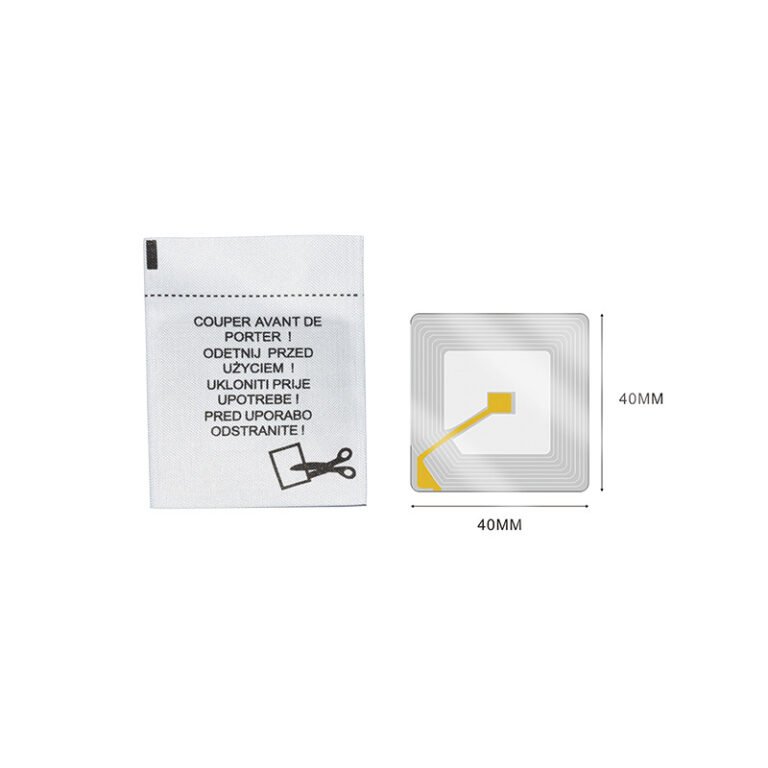
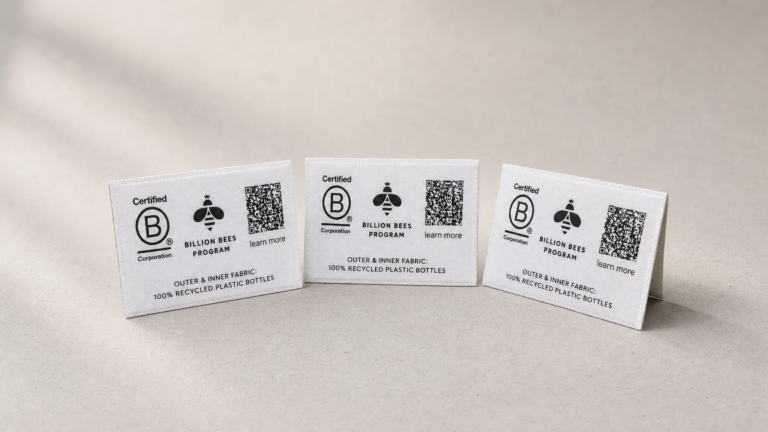
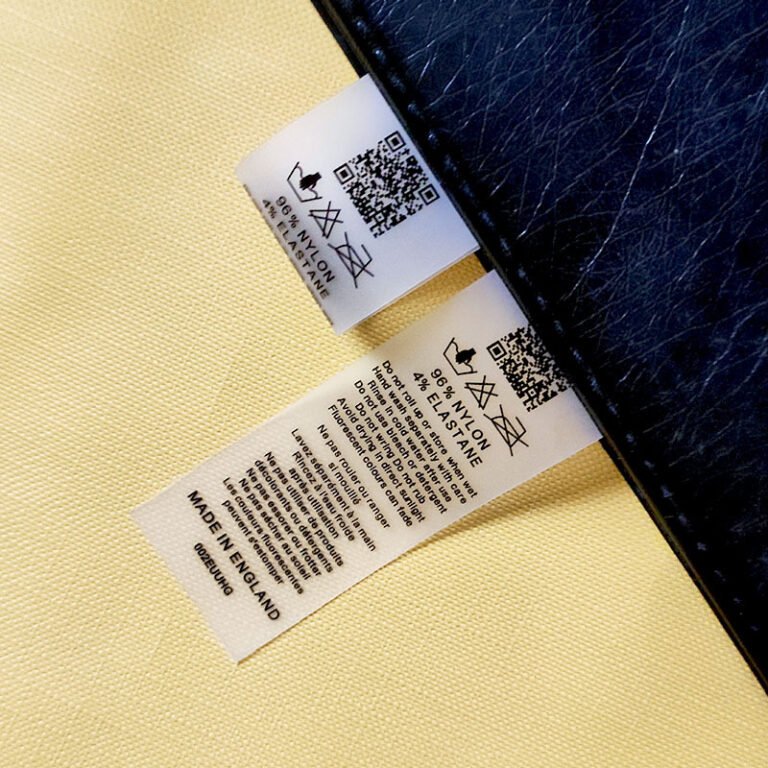
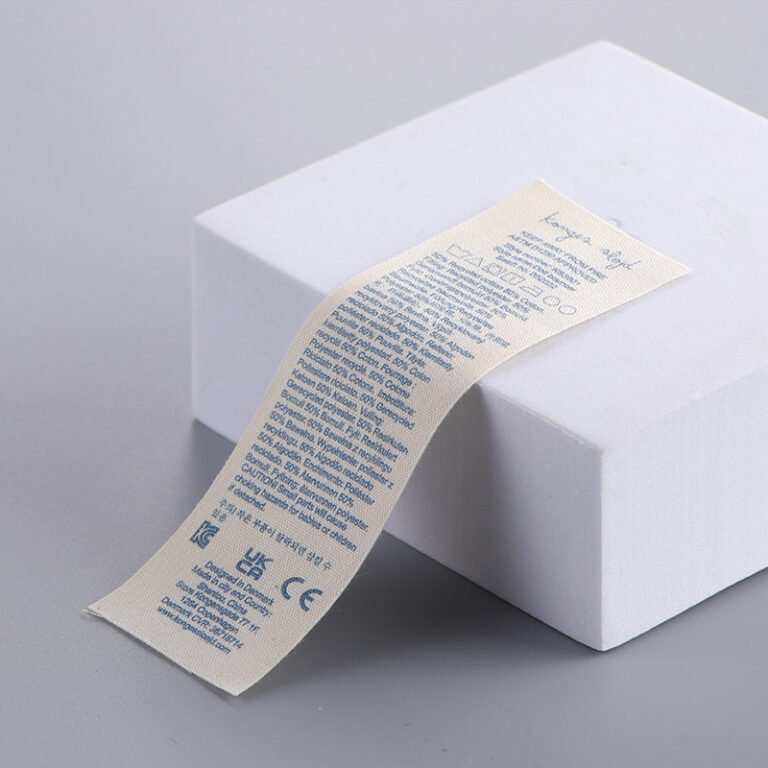
Labels influence comfort, branding, care communication, and traceability. Options may include recycled-polyester woven labels, organic-cotton labels, printed care labels, and QR-enabled labels that connect the garment to digital product information. Material selection should also reflect skin contact, garment life, and the intended care process. Buyers should check fiber composition, recycled-content evidence, colorfastness, wash resistance, skin-contact requirements, and code readability where applicable.
For paper hang tags, ask whether the paper is recycled or sourced from responsibly managed forests. FSC labels can help identify products made with material from qualifying forest-based sources, but trademark use and chain-of-custody rules must be followed correctly. A supplier saying that paper is “FSC material” is not enough; buyers should verify the applicable certificate scope and whether the final claim is permitted.
Construction also matters. Heavy lamination, plastic windows, glitter, metal eyelets, and mixed-material cords may make a paper tag harder to recycle. A simpler design using appropriate paper, inks, and attachments can communicate quality while reducing unnecessary material complexity.
Recycled Buttons, Webbing, and Other Accessories
Buttons can be made from recycled polyester, recycled metal, natural materials, or other lower-impact alternatives. The right choice depends on appearance, strength, dyeing, corrosion resistance, and care conditions. Ask for material declarations, test reports, and samples from the intended production process—not only showroom pieces.
Recycled polyester webbing is used in garments, bags, sportswear, and outdoor products. Buyers should specify width, thickness, weave, tensile strength, elongation, colorfastness, and recycled percentage. Textile Exchange describes the Global Recycled Standard as a system for verifying and tracking recycled raw materials through the supply chain. If a GRS claim is required, confirm that the relevant organizations, products, and transactions are covered by valid documentation.
For skin-contact or children’s products, chemical safety deserves special attention. OEKO-TEX STANDARD 100 applies harmful-substance testing to textile products and components, including threads, buttons, and accessories. Certification does not replace product-specific legal checks, but it can form part of a stronger supplier-verification process.
How to Evaluate Sustainable Zippers
A zipper combines several components: tape, teeth or coil, slider, puller, stops, and sometimes coatings. These parts may use different materials, so buyers should not assess the zipper only by the recycled content of its tape. Request a component-level description and identify which claim applies to which part.
Performance requirements come first. Define zipper type, size, chain strength, slider performance, colorfastness, wash resistance, and any special needs such as water resistance or reflectivity. A “waterproof zipper” may use coatings or laminated structures that affect recycling, so the functional benefit and material trade-off should be documented.
Testing should match the finished product. Sportswear, workwear, bags, and children’s garments place different stresses on zippers. Evaluate samples after washing and actual use, not only when new. Check whether replacement or repair is practical, and keep approved performance records for repeat orders. A durable zipper can extend garment life, while a failed zipper may make an otherwise wearable product unusable.
A Practical Sustainable Trims Sourcing Checklist
Before requesting quotations, create one specification sheet for each trim. Include dimensions, material, color, finish, performance, restricted-substance requirements, target certification, packaging, and testing method. Separate mandatory requirements from preferences so suppliers can respond accurately.
Then verify five areas: material composition, claim evidence, performance testing, traceability, and production consistency. Ask who manufactures the component, where recycled or certified inputs enter the chain, which documents accompany each order, and how material changes are controlled. Approval samples should match bulk-production specifications.
Finally, review trims as a system. Reducing mixed materials, avoiding unnecessary decoration, and selecting components that support repair or disassembly may be more valuable than changing one item in isolation. WandeTextile offers labels, buttons, webbing, zippers, hang tags, and other garment accessories for custom development. Explore WandeTextile’s sustainable trim solutions or request samples and documentation for your next sourcing project.
References: Textile Exchange: What Is the Global Recycled Standard?; OEKO-TEX: STANDARD 100; FSC: What Do the FSC Labels on a Product Mean?.