Digital Product Passports for textiles turn scattered product information into a connected digital record. Through a persistent identifier such as a QR code or RFID tag, an apparel brand can make reliable garment information available to authorized users.
A passport may connect material composition, manufacturing history, care, repair, and end-of-life guidance. Exact requirements will vary, but brands can prepare now by cleaning product data, mapping suppliers, and planning durable labels.
What Is a Digital Product Passport for Textiles?
A Digital Product Passport, or DPP, is a structured digital record connected to a physical product. A customer, business partner, recycler, or regulator can scan a data carrier and access permitted information. The label is the bridge; the record is maintained digitally.
This is different from printing a long block of static information on a care label. A passport can organize different types of information, control access, and remain useful throughout the product lifecycle. A consumer might see fiber content and care guidance, while a repair partner may need construction details and a recycler may need material-separation information.
Apparel brands should also distinguish a DPP from a marketing landing page. A useful passport needs dependable product-level data, clear ownership, and a process for updates. Attractive design matters, but it cannot compensate for incomplete material records or unverified supplier claims. In short, the passport is a data system expressed through a physical product touchpoint, not simply a new label graphic or another campaign page.
Why Apparel Brands Should Start Preparing Now
The strongest reason to begin is data readiness. Industry organizations are increasingly discussing Digital Product Passports alongside traceability, circularity, and substantiated sustainability claims. These subjects share the same foundation: brands need accurate information from deeper levels of the supply chain, not just broad statements collected at the finished-garment stage.
Early preparation also reduces operational pressure. Instead of searching through emails, inconsistent bills of materials, old reports, and supplier declarations when a deadline arrives, teams can build a common data structure now.
Connected product information can also support care guidance, repair, authentication, resale, and recycling. It may improve communication among suppliers, internal teams, service partners, and customers because they work from the same controlled record. Starting early also gives brands time to test governance, correct gaps, and understand the real implementation cost before wider adoption. Begin with information the brand can verify rather than unsupported environmental claims. Evidence always comes first.
What Product Data Should Brands Organize First?
Begin with a practical minimum dataset. For each style or stock-keeping unit, document the product identifier, fiber composition, component list, country or place of manufacture where applicable, supplier references, care instructions, and relevant certification or test documents. Record who supplied each data point and when it was last verified.
Trims should not be overlooked. Labels, hang tags, zippers, buttons, webbings, patches, and packaging may contain different materials and come from different suppliers. If these components are missing from the bill of materials, the passport will give an incomplete picture of the finished product.
Use consistent names and units. “Recycled fabric” is too vague. Specify the component, material, percentage, certification status, and supporting document. Keep every claim linked to its proof.
Finally, assign ownership. Several teams may contribute data, but one function should approve the final record. A simple change log should show what was updated, by whom, and which evidence supports the revision.
How Should QR Codes, RFID, and Labels Be Planned?
The right data carrier depends on the product and use case. QR codes are familiar, easy for customers to scan, and suitable for linking to web-based information. RFID can support inventory and operational workflows where rapid or bulk identification matters. Some brands may use more than one technology, but adding complexity without a clear purpose increases cost and maintenance.
Whatever the technology, the identifier should remain readable during the intended life of the garment. Brands must consider label material, print quality, abrasion, washing, heat, chemicals, and placement. A removable paper hang tag may work for pre-purchase information, but it is not a durable solution for care, repair, resale, or recycling after purchase.
Before scaling, confirm that the code scans on different phones, works across markets, and survives the required care cycles. Use a redirectable identifier so the destination can change without replacing the label. Check contrast, quiet space, code size, sewing position, and whether folds or curved surfaces interfere with scanning.
A Practical DPP Readiness Checklist
Apparel brands can begin with five actions. First, select a small product group rather than attempting the entire catalog. Second, map every material and trim supplier connected to those products. Third, define a minimum dataset and identify missing evidence. Fourth, prototype a durable QR or RFID-enabled label and test it under realistic use conditions. Fifth, establish a review process for corrections, access permissions, and future updates.
Ask suppliers specific questions: Which product data can they provide? Is it available at material, batch, or order level? What certificates or tests support it? How will changes be reported? Can identifiers and labels be produced consistently across repeat orders?
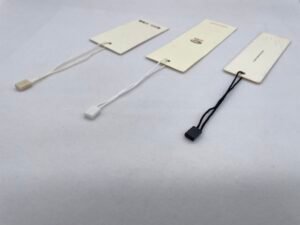
WandeTextile’s existing range—including QR code care labels, RFID labels, woven labels, recycled trims, hang tags, and packaging—can support the physical connection between a product and its digital record. The technology should follow the data strategy, not lead it. Start with verified information, test on a limited range, and expand only when the process is reliable.
Primary call to action: Planning a passport-ready labeling trial? Explore WandeTextile’s labels and trims and request samples for durability and scan testing.
References: AAFA Open-Industry Programs; SGS: How the Digital Product Passport Will Reshape Fashion Supply Chains.